Cooking classes in Cappadocia
What happens in a Cappadocia cooking class?
Small groups gather in a cave house or farm, usually around Göreme or Ürgüp, to prepare a handful of Anatolian dishes together, often including flatbread, mantı or a slow-cooked stew, then eat what they've made. It's a half-day, participatory format rather than a demonstration you watch.
Learning to cook, not just eating what’s put in front of you
Most visitors to Göreme experience Anatolian food the way any tourist does: ordering it. A cooking class flips that around. Instead of a menu, you get a kitchen — usually a cave house or a village home around Göreme or Ürgüp — and a few hours spent making the dishes yourself, alongside a host who normally cooks them for their own family. It’s a different activity from simply reading about what to eat, which is covered in the Cappadocian food guide; this page is about the class itself, not the dishes in the abstract.
The format sits apart from the region’s other big draw, the day-long minibus circuit. Where a Red Tour or Green Tour moves you through five or six stops on a fixed schedule, a cooking class keeps you in one place for the whole session. If your trip has been mostly transfers, valley walks and ticket queues, a class is one of the few bookable activities built around sitting still and doing something with your hands.
What a class typically covers
Programmes differ by host, and no two operators run an identical menu, so treat the following as the shape of a typical session rather than a fixed itinerary. Classes commonly include some combination of:
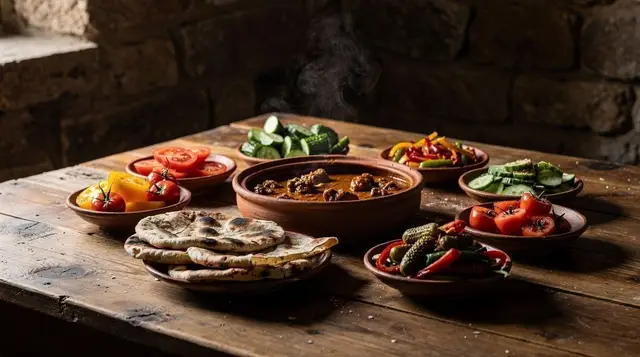
- Flatbread — dough mixed, rolled and cooked on a griddle or in a traditional oven, often the first thing groups make because it’s quick to see results.
- Mantı — small hand-folded dumplings, usually filled with minced meat, that take longer and are where most of the hands-on time goes.
- A slow-cooked dish — a vegetable or meat stew simmered while the rest of the session continues, then served at the end as the main part of the shared meal.
- Simple mezes or a dessert — offered by some hosts, not all; ask if this matters to you.
Don’t expect a set curriculum or a printed recipe card guaranteed at every venue — some hosts teach from memory and adjust the menu to the season or what’s on hand that day. If you have a particular dish in mind, ask the operator directly before booking rather than assuming it’s included. For background on the two dishes that come up most often in questions from visitors, see the separate guides to testi kebab and Turkish breakfast — this page won’t repeat that detail.
Where these classes happen
The venue is as much a part of the experience as the food. Cave houses around Göreme, farmhouse kitchens on the edge of Avanos, and village homes in and around Mustafapaşa all host cooking sessions, and the domestic setting — low stone ceilings, a working hearth, a family kitchen rather than a hotel banquet room — is usually the point.
It’s worth knowing, though, that not every “cave” advertised for this kind of activity is a naturally carved room; some are built in a cave style rather than genuinely cut into the rock. If that distinction matters to you, the guide to cave hotels explained covers the same issue for accommodation and the logic carries over here: ask, rather than assume, if authenticity of the space is part of why you’re booking.
Who this suits, and who it doesn’t
A cooking class rewards visitors who want to slow down mid-trip. If your priority is covering as much ground as possible — the open-air museum, a valley walk, an underground city, a sunset viewpoint, all in one day — a multi-hour class will feel like it’s eating into time you’d rather spend outdoors. It suits people better on day two or three of a longer stay, once the balloon flight and the big sightseeing stops are already ticked off and there’s room for something unhurried. The Cappadocia in three days itinerary and similar multi-day plans tend to have more natural gaps for this than a single packed day does.
It also suits travellers who like a physical, participatory souvenir over a photograph — the same instinct that draws people to Avanos pottery workshops, where you shape clay on a wheel rather than just buying a finished piece. If you’d rather sit back and be served, a restaurant meal in Göreme or Ürgüp will get you fed faster and usually more cheaply than a class will.
One honest caveat: this is a tourist-facing activity, and the result is a pleasant afternoon, not a culinary qualification. Hosts are welcoming and the food you make is genuinely eaten, but don’t expect professional-kitchen precision or a certificate at the end. Go in wanting a slower few hours and a hands-on look at how the food is put together, not a transformation of your cooking skills.
Before you arrive
A little preparation makes the session more enjoyable. Wear clothes you don’t mind getting dusted with flour, and shoes that are comfortable on stone floors, which in a cave house can be uneven and a touch cool even when the day outside is warm. The packing list covers the general layers worth carrying; for a class, the main addition is something with sleeves you can push up. If you have a camera or phone, expect to use it mostly for the kitchen itself, so a small cloth to wipe your hands is more useful than a bulky bag.
It also helps to arrive hungry but not ravenous. Much of the session is spent preparing food rather than eating it, and the meal comes at the end, so a light breakfast, perhaps the kind described in the Turkish breakfast guide, carries you through the early stages without spoiling your appetite for the table.
How the session tends to unfold
Most hosts begin with a short welcome, often with tea, and a look at the ingredients. From there the group usually splits the work: some people start the dough while others deal with fillings or chop vegetables for the pot. Because the slow-cooked dish needs the longest, it tends to go on the heat early, and the quicker items are made while it simmers. This rhythm is why the session feels unhurried rather than like a race through a recipe list.
You will probably be asked to do real tasks, not hover at the edge of the worktop. Rolling dough thinly, pinching mantı closed, and tasting for seasoning are all things a host may hand over to guests. Don’t worry about producing neat results; the point is the process, and the host will happily show you again. If something goes wrong, it still ends up on the table and gets eaten.
The meal is the natural close. Everyone sits down together to eat what the group has made, which is often the most relaxed part of the whole experience, and a good moment to ask your host about how they cook at home, which ingredients they favour, and how the dishes change from one season to the next. Conversations like these are a large part of why people remember a class long after a restaurant meal has blurred into others.
Making the most of it
Ask questions as you go. A host who cooks these dishes daily knows small details that never make it into a written recipe, such as how the dough should feel or when a stew has had long enough. If you want to recreate the food at home, take notes or photographs of each step, since not every venue provides a printed recipe, as noted above.
Think about who you are travelling with, too. Classes work well for couples and small groups of friends, and many families enjoy them; the Cappadocia with kids guide has wider thoughts on keeping younger travellers engaged, and a hands-on activity like shaping dough is often easier for children than a long valley walk. Solo travellers can also find a class an easy way to meet other people, as described in the solo travel guide, because the shared task gives everyone something to talk about from the first minute.
If you’re staying somewhere with a kitchen or a hosted breakfast, you might even bring a small jar or container from home to carry something back, though it’s best to ask the host first what is practical to take away. And if you’ve enjoyed the class, the local markets, day by day guide shows where to find the sort of produce and staples you’ve just been cooking with, which is a pleasant way to continue the theme on a free morning.
Booking a class versus adding one to a tour
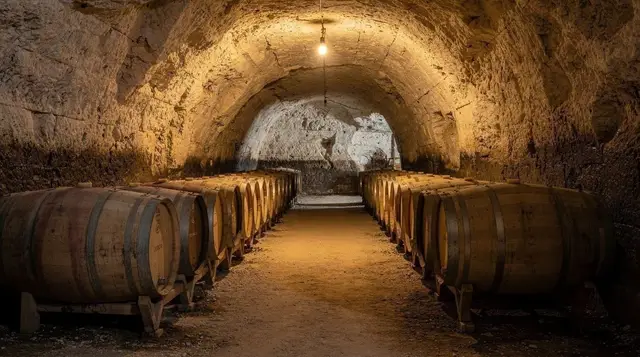
a half-day cooking class set in Kings Valley is the most direct route if you want the class as its own outing, with no valley walk or museum stop attached. It sits well on a day where you’ve already done the sightseeing you wanted and have an open afternoon or morning left.
If you’d rather pair food with a broader day out, a full-day Cappadocia tour that includes a wine tasting covers sightseeing and a food-and-drink element in one booking, though it won’t give you the same hands-on cooking time as a dedicated class — it’s a different kind of day, not a substitute.
Travellers who want a shorter, lighter taste of local food culture without committing a half day sometimes prefer a Turkish coffee on sand workshop, which runs in under an hour and focuses on the coffee-making ritual rather than a full meal — a useful add-on if a full cooking class doesn’t fit your schedule. Turkish tea and coffee culture more broadly is covered in a separate guide.
None of these bookings need to be combined with a Red Tour or Green Tour on the same day — see the Red Tour versus Green Tour guide if you’re still deciding between the two — and stacking a multi-hour cooking class onto either makes for a long day given how early balloon flights and full-day tours already start.
Cost and what to expect from booking to finish
Prices for cooking classes in Cappadocia move around by host, group size and whether transport and a market visit are included, so treat any figure you see quoted as a starting point to confirm at booking rather than a fixed number. Group classes with a handful of other travellers tend to cost less per person than a private session in the same kitchen. What’s included also varies: some operators cover hotel pickup and drop-off, others expect you to make your own way to the venue, and this is worth checking before you book rather than assuming either way.
| What to check before booking | Why it matters |
|---|---|
| Group size | Larger groups are usually cheaper per person but give you less individual guidance |
| Transport included | Pickup varies by host — confirm rather than assume it’s covered |
| Dietary options | Vegetarian adaptations are common but not universal; ask directly |
| What you eat at the end | Some classes serve everything made; others focus on one or two dishes to share |
| Duration | Ranges from a couple of hours to most of a morning or afternoon — get the actual timing, not an estimate |
Where a class fits in a wider trip
Because a class anchors you in one place, it works best as a deliberate pause. On a rainy or unsettled day, it is one of the more comfortable options available; the rainy day activities guide lists others that suit the same mood. After a very early start for a balloon flight, a class later in the day can be a gentle way to recover, but see the balloon sunrise guide before deciding how much to schedule around it.
If you have already worked out your plan, check that the class does not collide with the stops you care most about. The how many days in Cappadocia guide and the common itinerary mistakes piece are useful checks: overpacking a day is the usual error, and a multi-hour class is a good reason to leave the rest of that day deliberately light.
Other slow, food-focused ways to spend a few hours
A cooking class is one option among several if the goal is a gentler day. The broader case for building in downtime is made in the slow day in Cappadocia guide, which covers cafés, hamams and other low-key activities alongside food.
If wine interests you more than cooking, the Cappadocia wine guide and the Ürgüp wine cellars piece cover tastings around Ürgüp and Nevşehir, a different but complementary way to spend an unhurried afternoon. And if you’d rather browse than participate, the things to do: food and drink hub lists the wider set of food-related activities across the region, from markets to workshops.
Frequently asked questions about Cappadocia cooking classes
How long does a Cappadocia cooking class last?
Most run for a few hours, from mid-morning or mid-afternoon through to a shared meal. Exact timing varies by host, so confirm the schedule when you book rather than assuming a fixed length.
Do I need cooking experience to join?
No. These classes are pitched at visitors, not trainee chefs, and the host talks you through each step. You won’t come away with a qualification, just a few hours spent making food with your hands instead of ordering it.
Where do cooking classes usually take place?
Typically in a converted cave house, a village home, or a small farm around Göreme, Ürgüp or nearby villages. The setting is part of the appeal — a domestic kitchen rather than a hotel function room.
What dishes are typically prepared?
Programmes vary by host, but flatbreads, mantı (small dumplings), and a slow-cooked vegetable or meat stew are common. Some classes also cover simple mezes or a dessert. Ask the operator for their specific menu before booking if that matters to you.
Is a cooking class worth it compared with just eating out?
It depends what you want from the time. A meal at a restaurant is faster and usually cheaper; a cooking class trades that speed for a few unhurried hours and a hands-on sense of how the food is actually made, which a plate on a table doesn’t give you.
Can I book a cooking class alongside a balloon flight or valley tour on the same day?
You can, but it makes for a long day given the early balloon start and a multi-hour class. Most visitors slot a cooking class into a day with little else planned, rather than stacking it onto sightseeing.
Are cooking classes suitable for vegetarians or other dietary needs?
Many Anatolian dishes taught in these classes are vegetable- or grain-based, so vegetarian options are usually possible, but confirm any dietary restriction directly with the host or the booking operator in advance rather than assuming.
Do cooking classes include a market visit?
Some do, others start with ingredients already prepared. This varies by host and isn’t standard across the region, so check the class description rather than expecting a market stop by default.
Cappadocia food & drink tours on GetYourGuide
Verified deep-linked GetYourGuide tours. Book through these links and we earn a small commission at no cost to you.
GetYourGuide does not provide a product photo for this activity — the image shows the meeting point, photographed by us.