Local markets in Cappadocia, day by day
Which towns near Göreme have a weekly local market?
Ürgüp, Avanos and Nevşehir each hold one weekly market on a fixed day, and the three days differ from town to town. This guide doesn't print exact weekdays or opening hours, since neither is confirmed from a source reliable enough to publish - only the once-a-week pattern is certain, so check the current day with your hotel before you plan a visit.
Göreme’s main street is lined with carpet showrooms, pottery stalls and onyx counters aimed squarely at visitors, open every day of the week. A few kilometres away, the towns that supply the region’s own households run something different: a weekly market, one fixed day a week, where the customers are mostly local and the goods are mostly food. The two are not competitors so much as two different things worth knowing apart.
This page is organised around one fact that’s useful for planning: Ürgüp, Avanos and Nevşehir each hold a weekly market, and the day differs from town to town. We’re not going to print which weekday belongs to which town, because we don’t have a source solid enough to stand behind, and a wrong day printed as fact is worse than no day at all. What you can rely on is the pattern itself - once a week, per town, on a day that stays fixed but isn’t the same across the three.
Why bother with a market at all
A tourist shop on Göreme’s main street exists to sell to you specifically. Prices are set with a visitor’s budget and a visitor’s ignorance of local prices in mind, staff are trained to close a sale, and the goods on the shelves - carpets, onyx, ceramics, magnets - are chosen because they travel well in a suitcase, not because a resident of Cappadocia would buy them.
A weekly market runs on a different logic. The stallholders are selling to their neighbours, most of whom will be back next week and know roughly what things should cost. That keeps prices closer to a local baseline and the atmosphere less performative - nobody is trying to walk you into a back room for tea and a carpet demonstration between the vegetable stall and the cheese counter. It’s also simply a different category of goods: seasonal fruit and vegetables, bread, spices sold loose by weight, dried fruit and nuts, olives, cheese, household items, sometimes clothing and fabric by the metre. None of it is designed as a souvenir, which is exactly why some visitors find it more interesting than the shops that are.
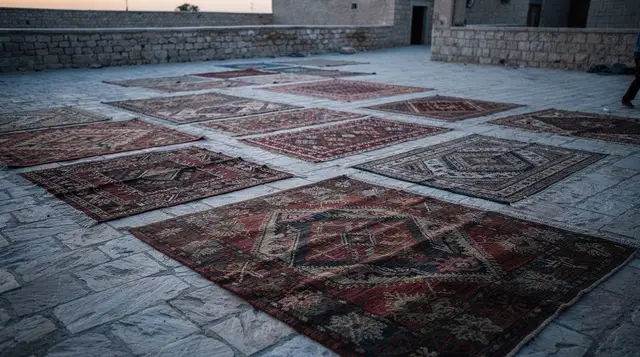
If you’d rather see traditional weaving explained without navigating a market on the right day, a guided visit does that on a fixed schedule instead - the Carpet Kilim Info and Demo session walks through how a kilim is knotted and what separates hand-woven work from machine-made, with no obligation to buy at the end.
Which towns have a market, and how the pattern works
Göreme itself, along with smaller neighbours like Uçhisar and Ortahisar, doesn’t run a full weekly market of its own - residents there travel to one of the larger towns instead. The three that do hold one are all short trips from Göreme:
| Town | Distance from Göreme | Market frequency | What it’s known for |
|---|---|---|---|
| Ürgüp | 15 min | Weekly, one fixed day | General produce, the biggest of the three |
| Avanos | 15 min | Weekly, one fixed day | Produce alongside a pottery-working town |
| Nevşehir | 20 min | Weekly, one fixed day | Provincial capital, larger and less touristy |
The three days don’t overlap, which in principle lets someone with a full week in the region catch all three markets without repeating a town - but working out which day belongs to which town is a question for your hotel reception or a local tour desk, not something this guide is going to guess at. Ask the day before, since Cappadocia hotel staff generally know the current week’s market days without needing to look anything up.
Ürgüp’s market
Ürgüp is the largest of the three towns and, by most accounts from residents, has the biggest of the region’s weekly markets - stalls filling several streets in the town centre rather than a single square. It’s also the easiest of the three to combine with sightseeing, since Ürgüp itself has a walkable old quarter, wine cellars open to visitors, and is a common base for people who prefer a town centre to Göreme’s more scattered layout. Our Ürgüp walking guide covers the town on foot, and where to eat in Ürgüp is worth checking before or after a market visit, since a market morning pairs naturally with lunch in town rather than a drive back to Göreme.
Ürgüp is also the centre of the region’s wine trade, and cellar visits run on their own schedule independent of market day - see our Cappadocia wine guide if that’s part of the plan.
Avanos and its market
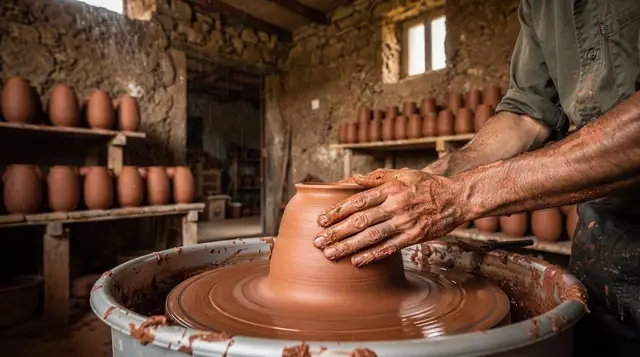
Avanos sits on the Kızılırmak, Turkey’s longest river, and has worked the red clay from its banks since the Hittite period - it’s the region’s pottery town, and most visitors go there specifically for a workshop, covered in our Avanos pottery workshops guide. The weekly market is a separate, second reason to time a visit for the right day: produce and household goods alongside a town that’s already worth a wander, detailed in our Avanos walking guide.
The two combine well on a market day - a morning at the pottery wheel, then a walk through the stalls before heading back towards Göreme or on to Zelve and Paşabağ, both a short drive further on.
Nevşehir’s market
Nevşehir is the provincial capital and the least visited of the three towns by tourists, which shows in its market: bigger in absolute terms than Ürgüp’s, but almost entirely local in character, since Nevşehir doesn’t sit on the usual sightseeing circuit the way Ürgüp and Avanos do. It’s a reasonable stop if you’re already passing through - Nevşehir is a transport hub for buses to Istanbul, Ankara and Konya, and its castle and old quarter are a short, unhurried visit - but it’s not somewhere to build a dedicated day trip around unless the market day happens to line up.
What’s actually for sale
Expect the market’s strength to be food rather than souvenirs: seasonal fruit and vegetables (Cappadocia’s high, dry plateau grows excellent apricots, grapes and melons depending on the month), bread, spices sold loose and priced by weight, dried apricots, figs and mulberries, nuts, olives, and regional cheese. Household stalls sell textiles by the metre, kitchenware, clothing and, in some markets, secondhand goods. None of this is aimed at a visitor’s suitcase, which is part of the appeal - it’s closer to seeing how the towns actually shop.
For carpets, kilims, onyx, jewellery and pottery - the categories most visitors are actually shopping for - a market stall isn’t necessarily the place to judge quality or price, and we’ve deliberately not tried to re-cover that ground here. Our souvenirs worth buying guide handles that in full, alongside separate pages on buying a carpet and onyx and jewellery, and is the better reference if that’s what you’re after.
Getting there without a car
All three towns sit on the regular dolmuş minibus network out of Göreme, which runs frequently through the day and rarely needs advance planning - our public transport in Cappadocia guide covers routes and rough frequency, and getting around without a car goes into more detail on making a full trip work this way. A market visit is one of the easier day-trip targets to reach without a rental: short distance, frequent dolmuş service, and no need to navigate parking in a town centre on a busy market morning.
A taxi is the fallback if the dolmuş timing doesn’t line up, and the fare for any of these three towns from Göreme is short enough not to be worth negotiating hard over.
Market manners and prices
Card readers are uncommon at market stalls, so bring Turkish lira in small notes - stallholders selling produce by the kilo don’t always have change for a large note early in the morning. Prices on food and everyday goods are close to fixed, since the customers standing next to you are locals who know roughly what things should cost; that’s a different atmosphere from a souvenir shop where an opening price is deliberately set high. Some light negotiation on non-food items is normal and expected, but it’s a gentler version of the bargaining you’d meet over a carpet.
Photographing stalls and produce is generally fine; photographing individual stallholders or shoppers up close is better asked first, as it would be anywhere.
If you’d rather see the crafts without the market
Not every visitor wants to time a trip around an unconfirmed weekday, and there’s a reasonable alternative if what actually interests you is regional craft rather than grocery shopping. A few guided options run on a fixed schedule instead of a weekly market day: the Create Your Own Mosaic Lamp with Locals workshop lets you make a take-home piece rather than buy one off a shelf, and the Valleys, Underground Cities and Local Crafts tour pairs sightseeing with stops at working craft studios along the way.
For a longer, more social evening, the Authentic Anatolian Dinner at the Carpet House combines a regional meal with a look at how carpets are made, in a setting that doesn’t depend on which day of the week it happens to be.
Local markets in Cappadocia: your questions answered
Which Cappadocia towns have a weekly market?
Ürgüp, Avanos and Nevşehir all hold one. Smaller villages such as Göreme, Uçhisar and Ortahisar generally don’t run a full weekly market of their own, so residents there travel to one of the three larger towns.
What day is the Ürgüp market, or the Avanos market?
This guide won’t name a specific weekday, because we don’t have a verified source for it and market days do shift. What’s certain is that each town’s market runs once a week, on a fixed day that differs between towns - ask your hotel or a local tour desk for the current schedule, and treat any day printed elsewhere online with some caution too.
Are the markets open every day, like a tourist bazaar?
No. Unlike the souvenir shops on Göreme’s main street, which open daily, each town’s market operates on its one fixed day a week. Turn up on the wrong day and you’ll find an empty square, not a smaller version of the market.
What’s actually worth buying at a local market rather than a tour shop?
Fresh produce, dried fruit and nuts, spices, cheese, olives and everyday household goods are the strength of a weekly market - things residents buy for their own kitchens. For carpets, pottery, onyx and other souvenir-grade items, see our separate guide to what’s worth buying, since a market stall isn’t always the best place to judge those.
Do I need cash at the market?
Yes. Card readers are rare among market stallholders, so carry Turkish lira in small denominations. Card payment is normal in hotels, restaurants and the larger agencies, but a village market runs on cash.
Can I get to the market without renting a car?
Yes, all three towns sit on the regular dolmuş network from Göreme, running frequently during the day. See our guide to getting around without a car for the practical detail on routes and timing.
Is haggling expected at these markets?
Less than in a souvenir shop aimed at tour groups. Prices on food and household goods are usually close to fixed, since locals are buying alongside you; a little friendly negotiation on non-food items is normal, but it’s a different register from the harder bargaining you’ll meet in a carpet showroom.
Is a weekly market worth the detour if I’m only in Cappadocia for two or three days?
It’s worth it if your visit happens to land on the right day in Ürgüp, Avanos or Nevşehir, since all three are short trips from Göreme and pair easily with sightseeing already planned there. It’s not worth restructuring a short itinerary around, given that the exact day isn’t something we can confirm here.
Shopping & market tours on GetYourGuide
Verified deep-linked GetYourGuide tours. Book through these links and we earn a small commission at no cost to you.
GetYourGuide does not provide a product photo for this activity — the image shows the meeting point, photographed by us.