What to pack for Cappadocia: a practical packing list
What should I pack for a trip to Cappadocia?
Bring closed, grippy shoes for dusty and sometimes slippery tuf trails, layers for cold mornings and warm afternoons, strong sun protection, and a torch or phone light for underground cities and dim cave churches. Carry some Turkish lira in cash for villages, dolmus rides, and small sites that don't take cards.
The terrain decides most of this list
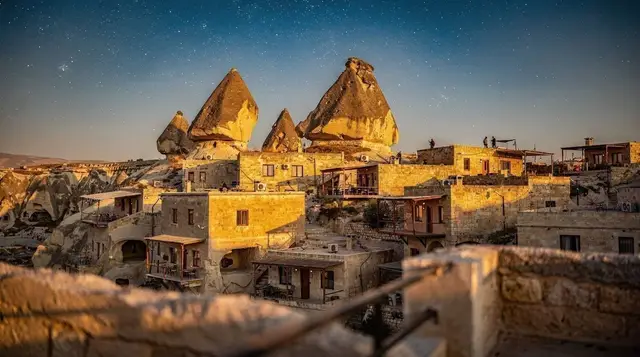
Cappadocia doesn’t ask for much specialist gear, but it does ask for the right basics. This is a region of dusty volcanic rock, cool mornings even in high summer, and long days spent outdoors on sites with very little shade. Most packing mistakes here aren’t about forgetting something exotic — they’re about bringing summer clothes for a plateau that behaves more like a mountain, or shoes that were fine on a city break and useless on tuf. Everything below is organised around what the region actually does to your body and your kit, not a generic travel checklist. For a wider view of the region and its geography, start with Göreme, the village most visitors base themselves in.
Footwear: the one item worth getting right
The valleys around Göreme — Rose, Red, Love, Pigeon and the rest — are walked on compacted volcanic tuf. It’s fine and pale, closer to compressed ash than soil, and it behaves in two ways: bone dry and dusty for most of the year, and noticeably slick on the steeper sections after rain. Flat sandals, canvas trainers with a smooth sole, or anything you’d wear on a city pavement will slip on the eroded, uneven ground you find on a proper valley walk. See the hiking safety guide for more on where trails get steep and unmarked.
You don’t need mountaineering boots. A pair of trail shoes or light hiking boots with a grippy, lugged sole covers the Ihlara valley, the underground cities, and every open-air valley walk. Closed toes matter more than ankle support — loose scree and dust get into open shoes fast, and there’s genuinely nowhere to rinse them out mid-walk. If you’re planning one of the best hikes in Cappadocia, break your shoes in before you arrive; new boots and a full day on tuf is a bad combination.
A second, lighter pair of shoes is worth the space for evenings in Göreme or Ürgüp, where the stone streets and steps are uneven but not technical.
Socks deserve a thought too. Thin cotton socks and dusty trails make blisters easy, so pack a few pairs of breathable walking socks and change them at lunch if you can. If your plans include a softer-paced day, the Göreme walking guide and the Ürgüp walking guide show how much of the village area can be done in ordinary comfortable shoes, so you can decide how much of your luggage budget goes to proper trail footwear.
Layering for cold mornings and hot afternoons
The single biggest surprise for first-time visitors is the temperature swing. Cappadocia sits at around 1,000 metres on the Anatolian plateau, and that altitude keeps mornings cool even when the forecast says summer. If you’re booking a sunrise balloon flight over Göreme, pickup happens well before dawn, and standing outside in a basket at altitude in a t-shirt is uncomfortable whatever the season. Pack a warm layer you can shed by mid-morning — a fleece or light insulated jacket does more work here than a heavy coat, because by early afternoon the same July or August day can reach 30 to 35 degrees.
A practical system for spring through autumn:
| Layer | Purpose | When you’ll actually use it |
|---|---|---|
| Base layer / t-shirt | Daytime comfort | All day, most of the year |
| Long-sleeve or light fleece | Morning cold, wind on viewpoints | Before 9am, evenings |
| Light packable jacket | Balloon rides, exposed ridges | Pre-dawn pickups, Uçhisar |
| Trousers over shorts | Sun and scrub on longer valley walks | Ihlara, quieter valleys |
| Wide-brim hat | Shade substitute | Every valley walk |
Evenings in Göreme cool down quickly once the sun drops behind the rock, even in midsummer, so don’t pack the warm layer away for the whole trip after breakfast.
Sun protection on shadeless trails
The valleys are open rock and scrub with very little tree cover, and the pale tuf reflects light rather than absorbing it. A midday walk through Red Valley or along the Ihlara valley trail in summer with no hat and weak sunscreen is a genuinely unpleasant way to spend an afternoon. Bring:
- A high-SPF sunscreen you’re willing to reapply, not a travel-size afterthought
- A hat with real brim coverage, not a cap — the sun comes from all angles among the rock formations
- Sunglasses, particularly for anyone doing a jeep safari through the valleys with the top down
- A refillable water bottle — two litres per person per day in summer is the realistic minimum on a full valley walk, and shops thin out once you’re away from the main villages
None of this is optional gear so much as it’s the difference between finishing a hike comfortably and cutting it short. See best time to visit Cappadocia for how the heat compares across seasons if you’re still choosing dates.
Underground cities and dim cave interiors: bring your own light
Derinkuyu and Kaymakli, the two underground cities most visitors reach, both have electric lighting installed on the levels open to the public, so you won’t be walking in the dark. But a phone torch or a small headlamp is still worth having in your day bag for a few reasons: cave churches with faded frescoes are often kept dim to protect the paintwork, some tunnels and side-chambers are lit less generously than the main routes, and quieter underground sites away from the main circuit — Ozkonak, Mazi and Gaziemir among them — sometimes have unreliable lighting and no permanent guide on site.
Read the Derinkuyu and Kaymakli guides before choosing between them, and see underground cities and claustrophobia if low ceilings and narrow passages are a concern — a headlamp that leaves your hands free helps there too, since some of Kaymakli’s connecting passages require stooping for long stretches.
A headlamp beats a phone torch for anything longer than a quick look, since you’ll want both hands free on uneven underground steps.
Cash, cards, and small denominations
Turkey’s currency is the Turkish lira (TRY, ₺). Cards are accepted without trouble in hotels, restaurants, and the larger tour agencies in Göreme and Ürgüp, but cash still does more of the work than in most of Europe: dolmus fares between villages, entry at some smaller or quieter sites, tea and small snacks, pottery workshops in Avanos, and market stalls in the villages. Carry a mix of smaller notes — breaking a large note for a two-lira tea is a recurring minor headache. Because the lira has moved a lot in recent years, check a current exchange rate close to departure rather than relying on an old conversion, and don’t expect the same prices your last trip or a search result quoted.
Packing for winter conditions
Winter changes the list more than any other season. Snow settles on the fairy chimneys and can sit for several days at a time, valley trails get icy in shaded stretches, and temperatures hover around freezing with real cold overnight. If you’re travelling in winter, swap the light layering system above for:
- A proper insulated, wind-resistant coat rather than a packable fleece
- Waterproof shoes or boots with real tread — the same tuf that’s dusty in summer turns slick and occasionally icy in winter
- Gloves and a warm hat, especially for early balloon pickups, which run colder in winter than any other season
- Thermal base layers if you’re planning a full day outdoors, such as a horse riding tour through the valleys in the cold
Winter also brings the highest rate of balloon cancellations for wind, so build flexibility into a winter itinerary rather than assuming the flight in your packing plan will actually happen on the day you book it.
A day-by-day packing checklist
| Category | Bring | Skip |
|---|---|---|
| Footwear | Grippy trail shoes, a second casual pair | Sandals, smooth-soled trainers |
| Clothing | Layers, one warm piece, modest coverage for religious sites | A single summer-only wardrobe |
| Sun | High-SPF sunscreen, wide-brim hat, sunglasses | A baseball cap alone |
| Light | Phone torch or small headlamp | Nothing — dim churches catch people out |
| Money | Turkish lira in small notes, one card | Relying on cards everywhere |
| Water | Refillable 1L+ bottle, filled before each walk | Buying only at the trailhead |
| Extras | Basic first aid, any regular medication, a printed or offline map | Assuming mobile signal in the canyons |
Mobile signal drops out at the bottom of most valleys and inside the underground cities, so an offline map or a downloaded route matters more here than it would in a city.
Day bag, camera and small comforts
Most days here are spent moving between sites, so a small, comfortable day bag earns its place. It should hold water, sunscreen, a light layer, your torch or phone light and a little cash, and it should sit properly on your back when the path turns steep. A bag that swings or slides is tiring over a long valley walk, and you will want both hands free on rocky steps.
If photography is part of the trip, think about dust before anything else. Fine tuf gets into everything, so a soft cloth for lenses and a zipped pouch for your phone are cheap and useful. Sunrise and sunset light is the reason many people come, and the balloon photography spots and the viewpoints guide will help you decide where to stand and what to have within reach. A power bank is worth packing as well: phones work hard here as camera, map and torch at once, and the battery drains faster than you expect on a long day out.
Small comforts matter on slow days. A light scarf doubles as sun cover and as a modest layer for religious sites, and a compact towel or a few wet wipes help after a dusty ride. Travelling with children changes the list again, and Cappadocia with kids covers what families tend to add. If you are travelling alone, solo travel in Cappadocia is worth a look before you finalise your bag.
Choosing the right bag for a trip that moves around
Many visitors combine Göreme with a night or two elsewhere, and a soft duffel or a medium rucksack is easier than a hard suitcase on cobbled lanes and the stepped streets of cave hotels. Rooms carved into the rock often come with stairs and uneven floors, as cave hotels explained makes clear, so pack lighter than you would for a flat modern hotel. If you are arriving by air, the guide to getting to Cappadocia and the notes on airport transfers will help you plan how the bags travel with you, and a smaller carry-on with your layers, medication and chargers is a sensible precaution in case a checked bag arrives late.
What you don’t need
A few things visitors over-pack for Cappadocia: technical climbing gear (nothing here requires it), a full waterproof shell in summer (rain is rare and brief when it happens), or a stack of formal clothing — the region is casual, including in cave hotel restaurants. If you’re combining valley walking with something more active, an ATV quad tour through the valleys or a guided Red Tour with lunch supplies helmets and any activity-specific gear, so there’s no need to bring your own for those.
For a broader sense of what a trip here actually costs once flights, tours, and cave hotels are factored in, see what a Cappadocia trip costs, and if you’re still deciding where to sleep, cave hotels explained covers what changes between a genuinely carved room and a stone-built imitation.
Adjusting the list to your plans
The best list is the one shaped by what you will actually do. A trip built around valleys on foot needs the shoes, sun cover and water described above. A trip built around cave hotels, food and slow evenings needs more in the way of comfortable casual clothes. If you cannot decide, the best time to visit and the month by month guide will tell you which season you are packing for, and what to wear for a balloon flight goes deeper on the one morning that is colder than people expect. For wet days, the rainy day activities guide is a reminder that a light waterproof layer can be useful in the shoulder seasons even if it stays at the bottom of your bag most of the time.
Cappadocia packing list: frequently asked questions
Do I need hiking boots for Cappadocia?
Not full boots, but you do need closed shoes with a grippy sole. The valley trails run over compacted volcanic tuf that turns to fine dust in dry weather and gets slick after rain, and sandals or smooth-soled trainers struggle on the steeper, eroded sections.
Is it cold in the morning even in summer?
Yes. The plateau sits at around 1,000 metres, so even in July and August mornings can be cool enough that balloon passengers wait at pickup in a light jacket, while the same afternoon climbs into the 30s. Pack layers rather than one set of summer clothes.
Do I need a torch for the underground cities?
Derinkuyu and Kaymakli have electric lighting on the open levels, so a torch isn’t essential there, but a phone light is genuinely useful in dimmer cave churches and at quieter sites like Ozkonak or Mazi, which sometimes lack reliable lighting or a guide.
How much cash should I carry in Turkish lira?
Enough for a few days of small purchases: dolmus fares, entry to minor sites, tea, and village markets. Hotels, restaurants, and the larger agencies in Göreme take cards, but cash still moves faster in villages and at pottery workshops in Avanos.
What should I wear to visit mosques or religious sites?
Modest, covering clothing works everywhere in Cappadocia’s religious and historic sites: shoulders and knees covered for both men and women, and a scarf for women is worth carrying for the tekke at Hacibektas. Cave churches don’t enforce a dress code as strictly, but modest clothing is still the norm.
Do I need special gear for a hot air balloon flight?
No specialist gear, just warm layers for the pre-dawn pickup and standing in the basket, closed shoes, and a hat that won’t blow off. Flights are cancelled for wind on a fair number of mornings, so nothing you pack changes that risk.
Is Cappadocia different to pack for in winter?
Yes, meaningfully. Snow can settle on the fairy chimneys and stay for days, valley trails turn icy in shaded sections, and you’ll want a proper insulated coat, waterproof shoes, and gloves rather than the layering system that works from spring to autumn.
Trip-planning essentials on GetYourGuide
Verified deep-linked GetYourGuide tours. Book through these links and we earn a small commission at no cost to you.
GetYourGuide does not provide a product photo for this activity — the image shows the meeting point, photographed by us.