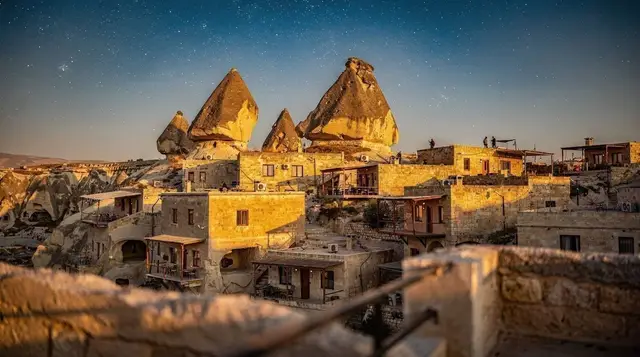
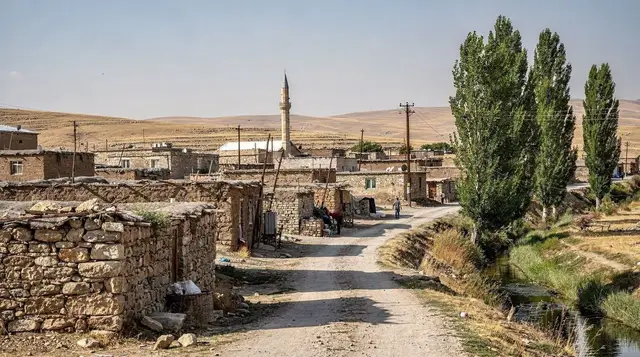
The best time to visit Cappadocia
When is the best time to visit Cappadocia?
April to June and September to October give the best balance of mild temperatures, clear light and lower balloon-flight cancellation rates. Midsummer is hotter and busier but cheaper for flights and accommodation; winter is the cheapest and quietest, with snow on the fairy chimneys, but balloons are grounded far more often.
The short answer
If you have not booked yet and can choose your dates freely, aim for April to June or September to October. These six months share three things the other six do not: daytime temperatures that sit comfortably in the high teens to high twenties, light that photographs well without the summer haze, and the lowest run of wind-related balloon cancellations of the year. Neither window is a guarantee — nothing about Cappadocia’s weather is a guarantee, least of all the balloon — but both give a first-time visitor the best odds without asking them to trade off heat, cold or crowds to get there.
That is the whole verdict. The rest of this page is about what changes if your priorities are not the average visitor’s: if you are chasing the lowest prices, if you specifically want snow on the fairy chimneys, if your dates are fixed by school holidays and land you in August, or if you would rather skip the crowd altogether.
For the month-by-month detail of temperatures, rainfall and what each season actually looks like on the ground, this page hands off to four dedicated guides — cappadocia in spring, cappadocia in summer, cappadocia in autumn and cappadocia in winter — plus cappadocia in the snow for the specific question of whether the fairy chimneys will be under snow when you arrive. This page exists to make the trade-offs clear, not to repeat what those pages already cover.
Why April to June and September to October win
Three factors decide whether a stretch of the calendar counts as a good time to be in Göreme, and all three point the same direction in spring and autumn.
Temperature. Cappadocia sits on a plateau at roughly 1,000 metres, which means it never behaves quite like the Turkish coast. Spring and autumn afternoons typically land in the high teens to high twenties, cool enough to walk the Rose Valley or Ihlara Valley at midday without needing to retreat indoors, and warm enough that evenings on a terrace still feel comfortable.
Light. Photographers rate the two shoulder seasons highest for a reason: the air is clearer than the summer haze that builds up over July and August, and the sun sits at an angle that suits the eroded valley walls and the cheminées de fées without the flat overhead glare of midsummer noon.
Balloon reliability. This is the factor most visitors care about most and understand least. Flights are cancelled for wind, not for cold or heat, and wind patterns in Cappadocia are seasonal rather than random. Cancellations cluster in winter and in the changeable weeks of late winter into early spring; the settled stretches of late spring, early summer and autumn see markedly fewer no-fly mornings. That does not mean a flight is guaranteed in June or October — it is never guaranteed, on any date — but the odds shift meaningfully in your favour. The mechanics of how that decision gets made on the morning, and what you can do about it, are covered in full on balloon flight cancellations and wind.
None of this means summer or winter are bad choices. It means that if your dates are genuinely open, these two windows ask you to give up the least to get the most.
a sunrise balloon flight over the valleys is worth booking for the first available morning of your stay whichever season you travel in, precisely because no season removes the risk of a wind cancellation — it only changes the odds.
If you want the lowest prices and snow on the fairy chimneys
Winter is a different trip, not a worse one, and it suits a specific kind of visitor better than any other season does.
Hotel prices fall furthest between December and February, cave hotel rooms that command a premium in June go for a fraction of that rate, and the valleys empty out almost entirely — the Göreme Open-Air Museum and the underground cities stop feeling like a queue and start feeling like the sites they actually are. Snow settles on the fairy chimneys for stretches of several days at a time, which is the single most photographed version of Cappadocia and one that most visitors never see.
The trade-off is the balloon. Winter carries the highest concentration of no-fly mornings of any season, driven by exactly the unsettled weather that also brings the snow. A three-night winter stay has a real chance of ending without a flight at all, even with a first-morning booking. If watching over 100 balloons lift off in near-perfect light is the one thing you have built the trip around, winter is the season most likely to disappoint you on that specific point — everything else about a winter visit tends to over-deliver.
The month-by-month version of this trade-off, including which weeks see the most snow and which are merely cold and grey, is on cappadocia in winter and cappadocia in the snow.
If you can handle heat and crowds for a leaner budget
Summer is the other end of the same trade. July and August afternoons commonly reach 30 to 35 degrees, which makes the shadeless tuf paths of Rose Valley or Red Valley genuinely uncomfortable to walk at midday — not dangerous with water and a hat, but not pleasant either. This is also peak season for domestic and international visitors alike, so the Göreme Open-Air Museum, Uçhisar Castle and the main underground cities see their heaviest queues of the year between roughly 10am and 3pm.
What summer buys you back is the flying window. The settled high-pressure weather of July and August is when wind-related cancellations are at their least frequent, so a fixed-date summer trip has good odds of an on-schedule flight even without the flexibility to add a spare morning. Mornings and evenings stay pleasant even when afternoons are punishing, so a summer itinerary that front-loads walking and sightseeing before 10am and after 5pm, and reserves the hottest hours for museums, cave-hotel pools or a long lunch, works better than one built around a conventional daytime schedule.
Families travelling on fixed school-holiday dates end up here by default rather than by choice, and it is a perfectly workable trip if the schedule above is respected. The detail on managing the heat, the crowds and what a family itinerary should actually look like is on cappadocia in summer.
What actually changes between the four seasons
| Factor | Spring (Apr–Jun) | Summer (Jul–Aug) | Autumn (Sep–Oct) | Winter (Dec–Feb) |
|---|---|---|---|---|
| Typical daytime temperature | High teens to high 20s°C | 30–35°C | High teens to high 20s°C | Around 0°C |
| Balloon cancellation risk | Moderate, improving through May–Jun | Lowest of the year | Low | Highest of the year |
| Crowds at the Open-Air Museum | Moderate | Heaviest | Moderate | Lightest |
| Hotel and tour prices | Mid-range | Peak | Mid-range | Lowest |
| Snow on the fairy chimneys | Occasional in April | None | None | Likely for stretches |
| Valley walking comfort | Good, some rain | Hot, little shade | Good, dry trails | Cold, possible ice |
These are seasonal patterns, not forecasts for a specific week — Cappadocia’s climate is genuinely variable year to year, and the only page that tries to pin numbers to individual months is cappadocia month by month.
Matching the season to what actually matters to you
Rather than one verdict, here is the trip each priority points towards.
| Your priority | Best-fit season | Why |
|---|---|---|
| Best odds of an uncancelled balloon flight | Summer, then late spring or autumn | Settled high-pressure weather is least often disrupted by wind |
| Lowest total cost | Winter | Hotels, cave rooms and tours all fall to their yearly floor |
| Photography and light | Autumn, then spring | Clear air, favourable sun angle, fewer haze days than summer |
| Snow on the fairy chimneys | Late December to February | The only window where snow reliably settles and holds |
| Fewest crowds at the major sites | Winter, then early spring or late autumn | Coach tourism and cruise-linked visits both drop off sharply |
| Comfortable valley walking | Spring or autumn | Warm without being punishing, and rarely icy underfoot |
| Fixed dates over the summer school break | Summer, planned around it | Best flying odds of the year offsets the heat and the queues |
If more than one row applies to you, spring and autumn are usually the rows that overlap best with the others — which is why they come out on top for most first-time visitors, and why the short answer at the top of this page defaults to them.
Whichever season you land in, the region’s activity list barely changes with the weather. a guided Red Tour covering the northern valleys and the open-air museum runs year-round, as does a full-day tour that ends at a local winery — a good option for a winter afternoon when the balloon has been called off and the valleys are cold.
In the shoulder seasons, when trails are dry and evenings are mild, a sunset horseback ride through the valleys is at its best; the same ride in midwinter mud or midsummer heat is a harder sell.
Practical planning, whatever season you pick
A few things hold true no matter which window you choose. Book the balloon for the first available morning of your stay, not a middle day — it is the only way to leave yourself a second attempt if the first is cancelled for wind, and that logic matters more in winter than in summer but applies in every season. Build in three full days as a working minimum, covered on how many days in Cappadocia, and add a spare morning specifically in winter.
Check the calendar for Ramadan and Bayram dates before booking, since neither closes the region but Bayram in particular tightens hotel availability and pushes prices up regardless of season — the detail is on Ramadan and Bayram in Cappadocia. And if a trip has to land in the peak of summer or the depths of winter because of fixed dates, treat that as a different itinerary rather than a worse version of the spring one: cappadocia itinerary mistakes covers the planning errors that trip up visitors trying to force a shoulder-season schedule onto the wrong month.
For first-time visitors weighing all of this against a limited number of days, cappadocia in one day and a three-day itinerary such as cappadocia 3 days both give a sense of what fits regardless of the season you eventually choose, and families should also check cappadocia with kids before locking in summer dates specifically.
Where to read next, depending on the season you pick
Once the season is settled, the useful reading depends on what worries you most. The season-by-season pages go deeper than this one: Cappadocia in spring, Cappadocia in summer, Cappadocia in autumn and Cappadocia in winter. If you would rather see the whole year laid out, Cappadocia month by month is the place to compare neighbouring months, and Cappadocia in the snow covers the winter picture on its own.
If the balloon is the reason you are going, three pages are worth reading before you book: balloon flight cancellations and wind explains how the decision gets made, balloon sunrise timing by season explains why the morning looks different from one season to the next, and what to wear for a balloon flight matters most when the mornings are cold. For the wider picture of what a flight involves, the hot air balloon guide is the starting point, and watching the balloons without flying is a sensible fallback if a cancellation leaves you on the ground.
Bad weather does not empty the itinerary. Rainy day activities in Cappadocia gives you plans for the grey days, the packing list helps you dress for the swing between cold mornings and warm afternoons, and when the weather turns in Cappadocia is a more personal account of what a change in the forecast feels like on the ground. If crowds are the concern rather than weather, Cappadocia crowds hour by hour shows when the busiest sites ease off.
For budgeting around the season, what a Cappadocia trip costs and where to stay in Cappadocia are the two pages that most often change a decision about dates. Once you know the month, how many days in Cappadocia and the ready-made three-day itinerary turn it into a plan, while the winter three-day itinerary is built for the colder months. Finally, getting to Cappadocia is worth a look once your dates are fixed, since the way you arrive can depend on the season.
Best time to visit Cappadocia: common questions
What is the single best month to visit Cappadocia?
May and late September come up most often as the strongest all-round months: warm days, cool nights, good light for photography and a comparatively steady run of balloon mornings. Neither is guaranteed against wind, but both sit outside the worst of the summer heat and the worst of the winter cancellations.
Is it better to visit Cappadocia in spring or autumn?
Both sit in the same sweet spot and the difference is marginal. Spring brings green valleys and occasional rain showers; autumn is drier with warm days and cooler nights, and many people find its light better for photographs. Either works; pick spring if you want wildflowers and greenery, autumn if you want dry trails and steadier flying conditions.
Does the season really affect whether the balloon flies?
Yes. Flights depend on wind, not on the calendar page, but wind patterns are seasonal: cancellations cluster in winter and early spring and are least frequent in the settled stretches of early summer and autumn. See balloon flight cancellations and wind for how the decision is actually made on the morning.
Is Cappadocia worth visiting in winter?
It is a genuinely different trip, not a lesser one: snow on the fairy chimneys, empty valleys, the lowest hotel prices of the year, and a real chance the balloon does not fly at all during your stay. It suits travellers on a budget or after quiet photographs more than those who have built a trip around a single guaranteed flight.
Is summer too hot to visit Cappadocia?
Afternoons commonly reach 30 to 35 degrees in July and August, which makes midday valley walking uncomfortable rather than dangerous if you carry water and cover up. Mornings and evenings stay pleasant, and this is when flights are least often cancelled for wind, so summer suits early risers more than midday sightseers.
How many days do I need, and does that change by season?
Three days is the usual minimum to fit a balloon attempt, one colour-coded tour and Göreme itself; see how many days in Cappadocia for the fuller answer. In winter it is worth padding a spare morning onto that total, since a cancelled flight needs a second sunrise to try again.
Should I avoid Ramadan or Bayram?
Neither closes the region to visitors, and hotels and the main sights run as normal, but some restaurants keep shorter daytime hours during Ramadan and prices and availability tighten sharply during the Bayram public holidays as Turkish families travel. See Ramadan and Bayram in Cappadocia before booking across those dates.
Seasonal experiences on GetYourGuide
Verified deep-linked GetYourGuide tours. Book through these links and we earn a small commission at no cost to you.
GetYourGuide does not provide a product photo for this activity — the image shows the meeting point, photographed by us.