The city behind the airport code
Kayseri is a city of well over a million people, spread out at the foot of Mount Erciyes, and for a large share of Cappadocia’s visitors it’s the only Turkish city they see up close. That’s because Kayseri Erkilet Airport (ASR) carries far more traffic than the smaller Nevşehir Kapadokya field closer to Göreme, and it sits about 1h15 from Göreme by road — noticeably further than Nevşehir’s 40 minutes, but often worth it for the choice of flights and fares. See getting to Cappadocia and airport transfers for how the two airports compare in practice.
It would be easy to treat Kayseri purely as a transit point, and plenty of itineraries do: land, shuttle straight to Göreme, reverse the process on the way out. That misses what the city actually is. Kayseri has an old citadel built from black volcanic stone, a covered bazaar that has traded continuously for centuries, and a charcuterie tradition — pastırma and sucuk — that put its name on menus across Turkey. None of that exists in the cave villages of the plateau. If you have a few hours either side of a flight, or simply want a day away from troglodyte architecture, Kayseri is a genuine stop in its own right, not only a gateway.
What the citadel and bazaar actually are
The Kayseri Kalesi, the city’s basalt citadel, dominates the central square. Its dark stone walls date in part to the Byzantine period and were substantially rebuilt under the Seljuks in the 13th century, when Kayseri was one of their major cities. It’s not a ruin you tour room by room — much of the interior has been repurposed with shops — but the walls and gate towers are worth the short walk around them, and they give the city a skyline unlike anywhere else on the Cappadocia circuit.
Immediately around the citadel sits the old commercial core: a covered bazaar (Kapalı Çarşı) and the Seljuk-era Vezir Han and bedesten buildings, still trading in textiles, spices, gold and household goods rather than souvenirs aimed at visitors. A few Seljuk mosques and medreses (theological schools) are within walking distance, including the Hunat Hatun complex, one of the oldest Seljuk foundations in Anatolia. Together the citadel, bazaar and mosque cluster form a compact, walkable centre — see things to do in Kayseri and the fuller Kayseri day trip guide for a route through it. Budget half a day for the centre alone; a full day if you add a museum and a proper meal.
Kayseri’s food identity: pastırma and sucuk
Kayseri’s food reputation rests on cured meat, and it’s taken seriously here in a way it isn’t elsewhere in the region. Pastırma is air-dried beef coated in a thick paste built around çemen (fenugreek), garlic and paprika, sliced thin and eaten cold or folded into eggs. Sucuk is a cured, spiced beef sausage, usually grilled or pan-fried.
Both trace back to old trade-route provisioning — meat that had to survive long journeys without refrigeration — and both are still made and sold around the bazaar rather than packaged for tourists. For where they fit alongside the rest of the region’s food, see the Cappadocia food guide; Kayseri is where these two specifically are at their source, and it’s worth buying a portion to take back rather than relying on finding it later in Göreme.
Mount Erciyes and Kültepe: excursions from here, not day plans
Two sites near Kayseri deserve full guides of their own, and this page won’t try to cover them properly — but both make sense as an excursion once you’re already in the city.
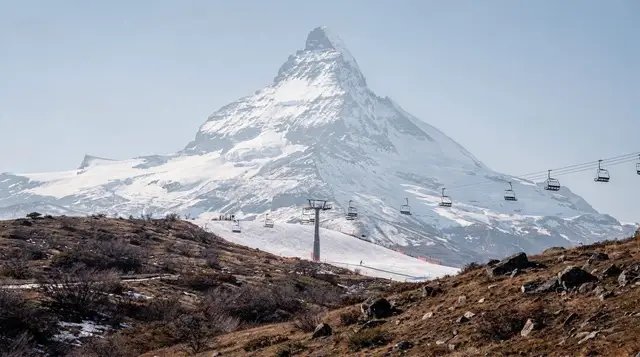
Mount Erciyes, at 3,864 metres, is the dormant volcano whose eruptions built the tuf that Cappadocia’s fairy chimneys are carved from. It’s close enough to Kayseri to be a half-day trip, and in winter it’s the region’s ski destination, with lifts and a resort base at Erciyes ski resort. Full detail is in the Mount Erciyes guide and the dedicated skiing on Mount Erciyes piece. A day tour that pairs a ride up the mountain with a barbecue lunch is a straightforward way to combine the two:
a Mount Erciyes ski tour with a barbecue instructor runs from the Kayseri area and covers transport, lift access and lunch in one booking.
Kültepe, ancient Kanesh, sits a short drive from central Kayseri. It’s the site of an Assyrian trading colony (karum) that produced more than 20,000 cuneiform tablets — the oldest written texts found in Anatolia — but it’s a genuinely austere archaeological site, low mounds and foundation walls rather than anything photogenic. Go for what it represents, not for the view; the Kültepe / Kanesh guide sets expectations properly before you commit half a day to it.
Kayseri’s surrounding countryside also has a wild horse population that draws photographers specifically for the animals rather than the ruins: a wild horses photo experience near Kayseri is a dedicated outing built around getting close to the herds at the right time of day, distinct from either the citadel visit or the Erciyes trip.
Kayseri versus Niğde: two different types of stop
Kayseri and Niğde are both provincial capitals within striking distance of the Cappadocia plateau, and it’s worth being clear about how different they are. Kayseri is a city of well over a million people, with an international airport, industrial suburbs, a proper skyline and a bazaar that has operated at real commercial scale for centuries. Niğde is a much smaller provincial town, useful mainly as a jumping-off point for sites like Gümüşler Monastery rather than as a destination in its own right. If you want a day away from the villages that still feels like Cappadocia’s rural fringe, Niğde is the closer match; if you want an actual city — traffic, a skyline, a bazaar economy — Kayseri is the one that delivers it.
Getting to, from and around Kayseri
| Route | Typical time | Notes |
|---|---|---|
| Kayseri Airport (ASR) to Göreme | About 1h15 | Shared shuttles meet flights; private transfer or car rental cover the same route |
| Central Kayseri to Göreme | About 1h15 | Same road as the airport route once you’re through the city |
| Kayseri to Mount Erciyes | Under an hour | Tour transport or car; longer in winter with snow on the approach roads |
| Kayseri to Kültepe | Under an hour | Best combined with a museum stop in the city itself |
Shared airport shuttles are the default way most visitors reach Göreme, Ürgüp or Uçhisar from ASR, and they run to hotel doors rather than a bus station. If you’d rather drive yourself, or want the flexibility to stop at the citadel or Kültepe on the way, see car rental in Cappadocia; public transport between Kayseri and the Cappadocia villages exists but usually means a change of vehicle in Nevşehir — covered in public transport in Cappadocia. If you’re building a longer route that folds Kayseri in alongside the underground cities on the way back to Göreme, a guided combination keeps the logistics off your own plate:
a Derinkuyu underground city tour and the South Cappadocia tour both operate from the Cappadocia side rather than Kayseri itself, but they’re the practical way to see Derinkuyu without arranging your own transport if you’re routing through Kayseri on either end of your trip — see the Derinkuyu underground city guide for what the site itself involves.
Practical basics for a Kayseri stop
Prices in Kayseri run noticeably lower than in Göreme or Ürgüp for food and taxis, since the city’s economy isn’t built around tourism the way the villages are. A sit-down meal with pastırma or sucuk, tea and a citadel walk comes in well under the day budget for the Cappadocia core. Fewer people speak English than in Göreme’s hotels and agencies, so a translation app or a few basic phrases help more here than on the tourist circuit. The city centre — citadel, bazaar, mosques — is compact enough to cover on foot in a few hours; outlying sights like Erciyes or Kültepe need a car, tour or taxi.
If your flight timing leaves you with a spare morning or afternoon on either end of a Cappadocia trip, Kayseri is a better use of it than sitting in an airport lounge: a walk around the citadel, an hour in the bazaar, and a plate of pastırma cover the essentials without needing a full extra day added to your itinerary.
Shaping a few spare hours around a flight
The most common reason to see Kayseri is a flight that doesn’t line up neatly with a hotel checkout or check-in. A late departure leaves a gap in the middle of the day, and an early arrival leaves a room that isn’t ready. In both cases the centre is a better place to wait than an airport terminal. Leave your bags with your hotel or the transfer company if you can, keep the order simple (citadel first, bazaar second, a meal last) and leave a generous margin for the return to the airport, because city traffic is less predictable than the open road across the plateau.
If you’re arriving, the logic reverses: eat early, walk the walls while the light is soft, and let the shuttle carry you on to the villages in the evening. The Cappadocia in one day plan shows how a compressed visit can work, and how many days in Cappadocia helps you decide whether a Kayseri stop deserves a place in the schedule at all.
What to expect on the streets
Kayseri feels like a place where people are going about their day rather than watching for visitors. Shopkeepers in the bazaar are generally relaxed about browsing, and you’ll see locals buying everyday goods next to the stalls selling spices and dried fruit. That makes it a good place to practise a little Turkish and to watch how a regional city actually trades. It also means opening hours follow local habits, so mid-afternoon can be quiet and the evenings livelier than the daytime suggests. Dress is ordinary city wear; covering your shoulders and knees is the courteous choice when you step inside the mosques, as in the rest of Turkey. For general habits that apply everywhere in the region, see safety and scams in Cappadocia.
Combining Kayseri with the rest of your route
Kayseri sits at the eastern edge of the region, so it works best at the start or end of a trip rather than in the middle. A route that lands here, spends a few hours in the centre, then moves west toward Göreme and Ürgüp lets the city serve as a gentle introduction before the cave villages. On the way out, the reverse gives you a last taste of pastırma and a calm morning before the flight.
If you have more time, the Cappadocia in two days and Cappadocia in three days plans show where the main sights fall, and the Mount Erciyes guide is the natural companion for anyone who wants to see the volcano that shaped the landscape. Travellers interested in the region’s deeper past can pair the city with Kültepe and Kanesh for a day built around Anatolian history rather than scenery. Underground-city fans heading back toward the plateau may also like Kaymaklı and Derinkuyu, and a guided tour of the underground cities takes care of the logistics once you’re back on the Cappadocia side.
Why the city is worth your attention
Most of Cappadocia is soft stone, carved rooms and valley light. Kayseri offers a contrast: dark basalt, a working commercial centre and a food culture rooted in trade. Seeing both sides gives a more honest picture of central Anatolia than the villages alone. You don’t need long to feel the difference, and even a brief walk makes the rest of the trip easier to place in context.
Kayseri questions before you land or fly out
How far is Kayseri from Göreme?
About 1h15 by road. It’s the longest regular transfer within the Cappadocia day-trip radius, so most visitors treat it as a dedicated half-day rather than an add-on to another stop.
Should I fly into Kayseri (ASR) or Nevşehir (NAV)?
Kayseri Erkilet (ASR) has far more flights, often at lower fares, even though it’s roughly 1h15 from Göreme against Nevşehir’s 40 minutes. For many routes ASR is still the faster and cheaper option once you weigh in flight frequency and price, not just distance.
Is Kayseri worth a stop, or just an airport transfer?
It stands on its own. The basalt citadel, the covered bazaar and the city’s charcuterie trade give it a genuine urban identity that the troglodyte villages don’t share, quite apart from its role as the region’s busiest airport.
What’s the best way to get from Kayseri Airport to Göreme?
Shared shuttle vans meet arriving flights and run direct to hotels across Göreme, Ürgüp and Uçhisar; a private transfer or rental car covers the same route in under 1h15. Public buses exist but involve a change in Kayseri or Nevşehir city.
Can I visit Mount Erciyes or Kültepe from Kayseri in a day?
Yes, both sit close enough to Kayseri to combine with a city visit, though each also has its own dedicated guide. Erciyes suits a half-day in winter for skiing; Kültepe is a short, austere archaeological stop best paired with the museum in central Kayseri.
What food should I try in Kayseri?
Pastırma, air-dried and coated in a spice paste built around çemen (fenugreek), and sucuk, a cured beef sausage. Both are sold across the bazaar and served in the city’s restaurants; they travel well if you want to take some back to your hotel.
Is Kayseri safe and easy for independent travellers?
Yes. It’s a large, functioning Turkish city rather than a tourist town, so fewer people speak English than in Göreme and prices are quoted in Turkish lira without the tourist markup common in the villages. The centre around the citadel and bazaar is walkable and well signed.