What a Konya day trip actually involves
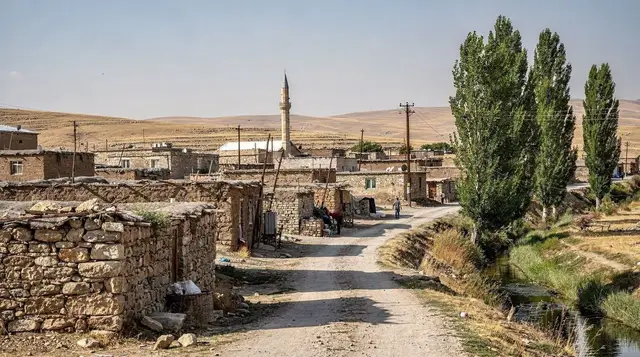
Konya sits about three hours south of Göreme by road, which makes it the longest of the common day trips out of Cappadocia. The pull is specific: the Mevlana Museum, the mausoleum of the 13th-century poet and mystic Jalal ad-Din Muhammad Rumi, and the wider legacy of the Mevlevi order — the whirling dervishes — that grew up around him. Konya was also a Seljuk capital, and the city carries that history in its mosques, madrasas, and street plan in a way that Cappadocia, with its rock-cut and volcanic landscape, simply does not.
It is also a genuinely different city. Konya is one of the more religiously conservative places in Turkey, and it looks and feels that way: more headscarves, fewer bars, a slower evening pace than Göreme’s café strip. That is not a criticism, but it is worth setting expectations correctly. If your interest in Konya is Rumi, Sufism, and Seljuk architecture, the day trip earns its place. If you are looking for another version of Cappadocia’s valleys or nightlife, it will not deliver that, and you will have spent six hours in a car to find it out.
The honest framing for this page is the one that matters most: with three hours of driving each way, a same-day round trip leaves a genuinely limited window on the ground. Go in with that arithmetic settled before you book anything.
Getting there and the drive itself
Konya is reachable from Göreme by private transfer, by an organised day tour, or — with more effort — by public bus via Aksaray or Nevşehir and then an onward coach; the transfer options are far more practical for a single day out, since public routes rarely line up with a sensible same-day return. Most travellers doing this as a day trip go with an organised tour or a private driver rather than assembling public transport connections themselves.
A realistic same-day schedule looks like this:
| Time | What’s happening |
|---|---|
| 06:30–07:00 | Depart Göreme |
| 07:00–08:00 | Optional stop at Sultanhanı caravanserai (on the route) |
| 08:00–09:30 | Continue to Konya, with a possible stop near Tuz Gölü depending on the exact road taken |
| 09:30–14:00 | Mevlana Museum and central Konya |
| 14:00–14:30 | Lunch |
| 14:30–15:00 | Depart Konya |
| 18:00–18:30 | Back in Göreme |
That is a 12-hour day for roughly four to five hours of actual time in Konya. Compressing the departure any later than 07:00 starts eating directly into time at the museum, since the return drive still has to happen regardless of what time you leave the city. If your hotel or tour offers an earlier pickup, in the 06:00–06:30 range, it buys real time on the ground rather than more time in the car park waiting for the site to open.
On the way south, the road passes close to Sultanhanı, home to the largest Seljuk caravanserai in Turkey, built in 1229 as a stop on the trade route between Konya and Cappadocia — a natural place to break the drive for twenty to thirty minutes. Depending on the exact route, some transfers and tours also pass near Tuz Gölü, Turkey’s large, very shallow salt lake, which functions mainly as a photo stop rather than a destination in its own right. Neither is guaranteed on every transfer; ask when booking if either matters to you.
The Mevlana Museum and the Mevlevi order
The Mevlana Museum is built around the tomb of Rumi, whose writing on divine love and whose followers, the Mevlevi order, became known outside Turkey mainly through one practice: the Sema, the turning ceremony performed by whirling dervishes. The museum occupies the former lodge (dergah) of the order, and it remains an active site of pilgrimage for many Turkish and international Muslim visitors, not only a tourist attraction — worth keeping in mind when you are inside. Photography rules and quiet, respectful behaviour matter more here than at most Cappadocia sites.
Because Konya is more conservative than Göreme, modest dress is expected around the mausoleum: shoulders and knees covered for everyone, and women should be prepared to cover their hair before entering, as at any working religious site in Turkey. Bringing a scarf is the simple fix if you are not sure what your tour or hotel will provide.
Seeing an actual Sema ceremony is a separate question from visiting the museum. Public performances are not a permanent daily fixture tied to the museum itself, and genuine ceremonies are more closely associated with the religious calendar, including Konya’s annual commemorations in December. Cultural performances staged for visitors, including in Cappadocia itself, are a different and more reliably scheduled experience — if watching the ritual matters more to you than visiting the tomb, read the separate guide on how the ceremony works and where to see one before assuming Konya is the place to catch it on a single afternoon.
Beyond the mausoleum itself, central Konya’s Seljuk-era mosques and madrasas reward slow walking rather than a checklist approach — this is a city built by the same Seljuk dynasty responsible for Sultanhanı’s caravanserai on the road down, and the architectural link between the two is worth noticing if you stopped there on the way.
A private guide versus doing it alone
Konya’s key sites cluster in the old centre, so it is walkable once you are there, but a same-day trip from Cappadocia leaves little slack for getting lost, working out entry logistics, or filling in the historical context on your own. A private guide compresses the useful part of the day and adds the background — the Mevlevi order’s history, Rumi’s poetry, Konya’s Seljuk-era role — that a self-guided walk through the museum won’t hand you.
a private Sufi-focused Konya day tour covers the Mevlana Museum with that context built in, structured around the mausoleum and the Mevlevi story specifically rather than a general city tour.
For a broader walk through the old centre with a local guide, including the Seljuk architecture beyond the museum, a private walking tour of Konya with a local guide covers more ground at a slower pace, which suits travellers staying overnight more than a tight same-day round trip.
When to stay overnight instead
Given the six hours of driving involved, an overnight in Konya is worth planning deliberately rather than as an afterthought, in two situations. First, if seeing Konya properly — the museum without a clock running, a slow walk through the old town, an evening once the day-trip buses have left — matters more to you than maximising nights in a Cappadocia cave hotel. Second, if you are not planning to return to Cappadocia at all: Konya sits on the road toward other parts of central and southern Turkey, so travellers continuing onward rather than looping back save themselves the return leg of the drive entirely.
What an overnight buys you that a day trip cannot: an evening and morning in the old centre without a coach schedule dictating the pace, and the option to see the museum at opening time before day-trip groups arrive from Cappadocia. What it costs: a night’s accommodation in a city most visitors are not otherwise planning to sleep in, and one fewer night based in Göreme or Ürgüp.
| Same-day round trip | Overnight in Konya | |
|---|---|---|
| Time in Konya | ~4–5 hours | A full day and evening |
| Driving | ~6 hours total, same day | ~3 hours each way, split across two days |
| Best suited to | A focused Mevlana Museum visit | Slower travel, or continuing onward rather than returning |
| Cappadocia nights lost | None | One |
If you are combining Konya with Ankara or with Hattuşa rather than treating it as a standalone trip, note that those two have their own separate guides and are not covered in depth here — see the Ankara day trip guide and the Hattuşa day trip guide if you are planning a multi-stop route rather than Konya alone. Ankara has its own logistics worth checking separately if you want a Sufi-focused guided walk while you are there: a private guided walking tour of Ankara covers the capital on its own terms rather than as a Konya add-on.
What Konya is not
Konya is not a Cappadocia-style landscape day out, and it is not close. It should not be confused with, or combined in the same day as, trips that actually are short hops from Göreme — Derinkuyu or Kaymaklı underground cities, the Ihlara valley, or the Red and Green Tour circuits all sit well under an hour or two from base, against Konya’s three. If you are weighing up which day trips genuinely fit into a Cappadocia itinerary and which don’t, the guide on what isn’t realistically a day trip from Cappadocia is worth reading before you commit a full day to any single excursion, Konya included.
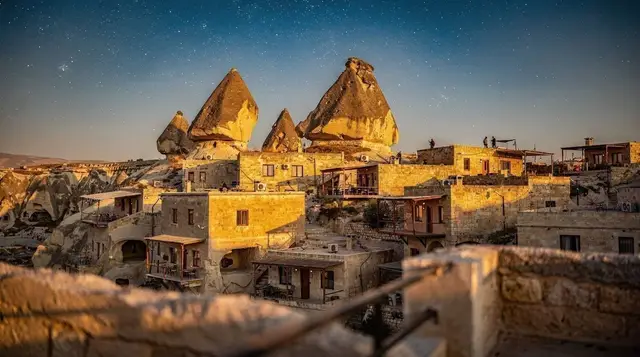
It is also not primarily a nature or hiking destination, and not a place to expect Cappadocia’s rock-cut valleys or fairy chimneys — Konya’s interest is architectural and religious-historical, centred on the Mevlana Museum and the old Seljuk city core, not the volcanic landscape that defines the rest of this region.
Making the most of a long day
A few practical points that matter more on a six-hour-round-trip day than on a shorter local excursion:
- Book the earliest realistic departure. Every thirty minutes lost at the start comes straight out of time at the museum, not out of the drive.
- Eat lunch in Konya, not on the road. Building in a proper stop keeps the day from feeling like two long drives bookending a rushed visit.
- Dress modestly from the start of the day, not just at the museum door — Konya reads as a more conservative city generally, and it is easier to be dressed appropriately throughout than to adjust mid-visit.
- Confirm what the transfer or tour includes — whether Sultanhanı or a Tuz Gölü stop is part of the route, since drivers vary on this and it changes how the day feels.
- If you are tired of six-hour Cappadocia excursions, weigh a Konya overnight against spending that day differently — a Cappadocia hot air balloon flight or a closer excursion such as a Derinkuyu underground city tour fits into a fraction of the driving time.
Planning the route around Konya
The road south is part of the trip, so it helps to decide in advance what you want from it. The Sultanhanı caravanserai is the natural pause, and the Sultanhanı caravanserai day trip guide explains what there is to see inside. If the salt lake appeals as a photo stop, the page on Tuz Gölü and the Tuz Gölü day trip guide will tell you whether it is worth building into the day or better left alone.
The wider guide to the Konya day trip from Cappadocia goes deeper on the logistics of the outing itself, while the Cappadocia and Konya itinerary shows how the city can sit inside a longer stay without crowding out the rest of your time around Göreme.
Whether you hire a driver or take the wheel is a decision worth making early. The comparison of a guided tour versus self-drive lays out the trade-offs, and it matters more on a long day than on a short hop. Travellers who decide that Konya is too much for one day often swap it for something nearer: the Derinkuyu or Kaymaklı comparison helps you pick an underground city instead, and the destination page for Ankara covers the other big-city option from the region.
Before you decide
If you are still working out how many days to allocate across Cappadocia and its surrounding day trips, including whether Konya deserves one of them, the general guide on how many days you actually need in Cappadocia covers where a long excursion like this one fits against balloon flights, the underground cities, and the valleys. And if you’re driving yourself rather than booking a transfer or tour, check driving in Cappadocia and car rental in Cappadocia first — a six-hour round trip on unfamiliar roads is a different proposition from short hops between villages.
Frequently asked questions about visiting Konya from Cappadocia
How far is Konya from Göreme?
About three hours by road each way, roughly 230–250 km depending on the exact route taken. There is no faster alternative for a same-day trip; there is no airport connection that makes sense for a single day, and the drive time is fixed regardless of whether you go by private transfer, tour bus, or your own car.
Can I visit Konya and Cappadocia’s underground cities on the same day?
Not sensibly. Konya alone takes up a full day given the driving involved, and adding Derinkuyu or Kaymaklı — which sit in roughly the opposite direction from Göreme — would turn an already long day into an unreasonable one. Treat them as separate excursions on separate days.
Is the Mevlana Museum open every day?
The museum operates daily, though hours and any closed periods can shift around public and religious holidays; check current hours when booking your transfer or tour rather than relying on a fixed schedule, since Konya is a working pilgrimage site and its calendar can affect visiting conditions.
Do I need to dress differently in Konya than in Göreme?
Yes. Konya is noticeably more conservative, and the Mevlana Museum is an active religious site. Cover shoulders and knees, and bring a scarf if you’re travelling as a woman, since covering your hair is expected before entering the mausoleum area.
Is it worth staying overnight in Konya rather than doing a day trip?
Only if seeing the city without a driving deadline matters to you, or if you’re continuing onward rather than returning to Cappadocia. For most travellers whose main goal is the Mevlana Museum specifically, a well-timed day trip covers what they came for without giving up a night in Cappadocia.
Can I combine Konya with Ankara in one trip?
They can be combined on a multi-stop route, but not comfortably in a single day out of Göreme — each involves several hours of driving on its own. If you’re planning to see both, treat it as a separate multi-day route rather than an extension of a Konya day trip; see the dedicated guides for each city for logistics.
Will I see whirling dervishes performing in Konya?
Not reliably as part of a museum visit. The Mevlana Museum houses the tomb and the former lodge of the order, but live Sema ceremonies are tied to the religious calendar rather than staged for daily tourist visits. If seeing a performance is the priority, check the separate guide on where and when ceremonies are actually held.
Is Konya safe and easy for tourists to visit?
Yes. Konya is a large, orderly Turkish city with no particular safety concerns beyond the usual precautions of any unfamiliar place. The main adjustment for visitors coming from Göreme is cultural rather than practical: a more conservative dress code and a quieter, less tourist-oriented evening atmosphere than Cappadocia’s villages.